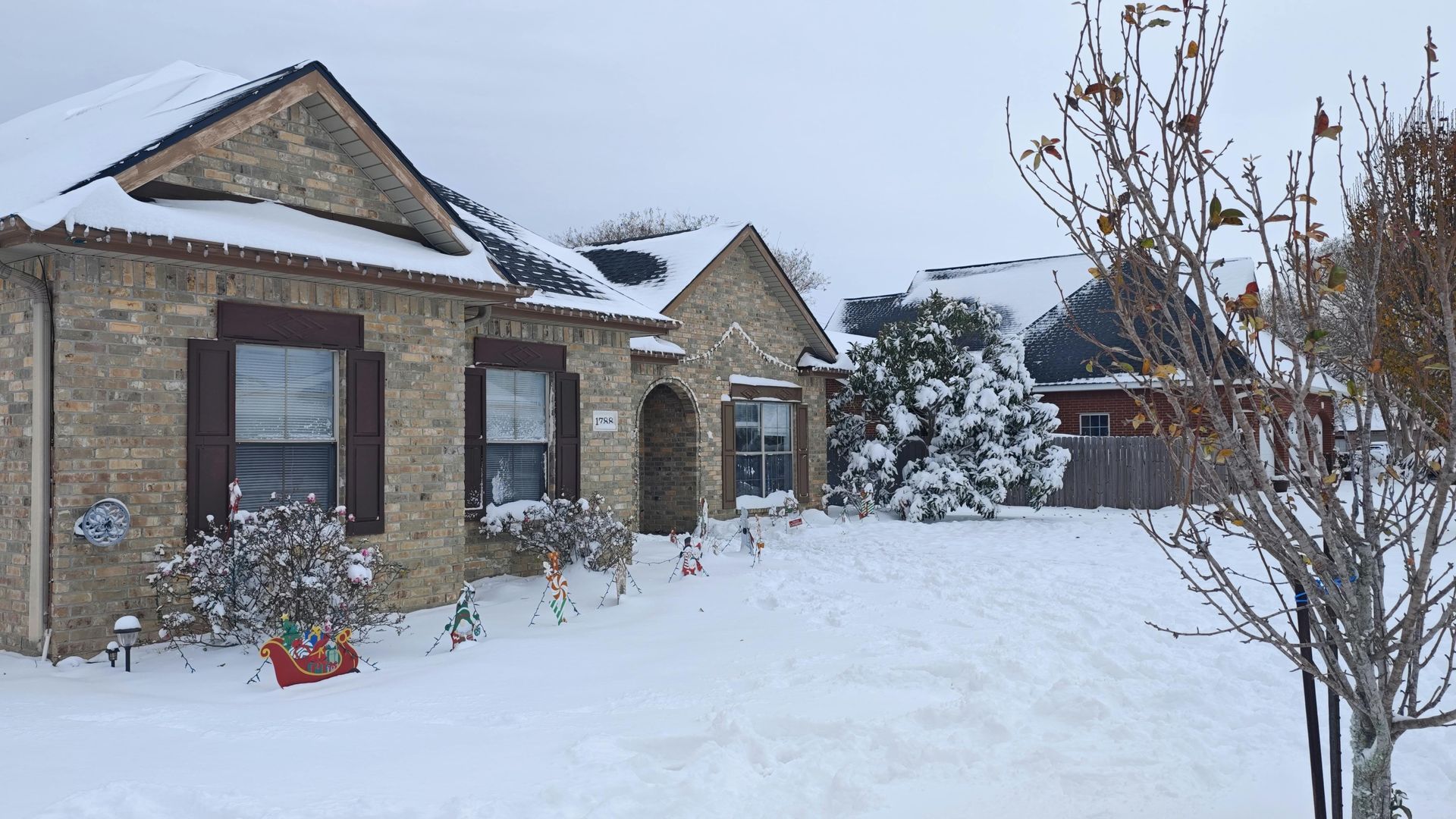
Driveways and Walkways Cleared Before Work Starts
Residential Snow Removal in Services for properties where accumulation blocks vehicle access and pedestrian movement
Snow accumulation on driveways and walkways creates immediate barriers to daily routines, preventing vehicles from leaving and making foot traffic hazardous. Asphalt Specialists, Inc addresses these access issues through residential snow removal that prioritizes the pathways homeowners use most frequently throughout winter weather events. The service focuses on restoring safe passage from the street to the front door and from the garage to the road, with attention to the specific layout of each property.
The process involves clearing snow from driveways, walkways, and entryways using equipment scaled to residential dimensions, with care taken around landscaping borders and parked vehicles. Timing depends on accumulation rates and homeowner schedules, particularly for properties where early morning access matters for work commutes or school drop-offs.
Schedule a property walkthrough to identify priority clearing zones and discuss service frequency based on your household's access needs.
What Proper Residential Clearing Requires
Residential snow removal begins with understanding which surfaces must remain passable and which areas can tolerate temporary accumulation. Driveways receive priority attention from the garage door to the street edge, while walkways are cleared wide enough for safe foot traffic without forcing pedestrians into snow banks. The approach accounts for where snow can be pushed without blocking sight lines at street intersections or burying mailboxes and utility meters.
After clearing, driveways show exposed pavement or gravel surfaces with edges defined enough that vehicles can maneuver without spinning tires on hidden ice patches. Walkways become navigable without requiring balance adjustments for uneven snow layers, and entryways allow doors to swing fully open. Steps and landings are cleared to the underlying surface, preventing the compression of snow into slick layers with repeated foot traffic.
The service does not typically include roof clearing or removal of ice dams, which require different equipment and safety protocols. Homeowners with steep driveways or properties where snow must be hauled away rather than pushed to property edges may need additional consultation about equipment access and placement strategies.
What Homeowners Usually Ask
Winter weather in Services brings varying snowfall patterns, and property owners often have similar questions about how residential clearing works and what to expect during snow events.
What determines when snow removal begins?
Clearing typically starts once accumulation reaches depths that prevent safe vehicle movement or create slip hazards on walkways, usually around two to three inches depending on snow density and temperature conditions.
How is snow positioned after clearing?
Snow gets pushed to property edges away from street access points, avoiding areas where piles would block drainage paths when melting begins or obstruct views at driveway exits.
What happens if snow continues falling after clearing?
Properties experiencing ongoing snowfall may require multiple visits during extended storm events to maintain access, particularly when accumulation rates exceed several inches per hour.
How does the service handle ice underneath snow layers?
Residential snow removal focuses on snow displacement rather than ice treatment, though operators identify ice patches during clearing so homeowners can address them with appropriate melting agents after snow is removed.
What should be done before the clearing crew arrives?
Moving vehicles off driveways and marking decorative lawn borders or low retaining walls with visible stakes helps operators work efficiently without risking damage to hidden property features under snow cover.
Asphalt Specialists, Inc coordinates residential snow removal based on storm timing and individual property requirements, with service agreements structured around seasonal coverage or per-event clearing. Contact the office to arrange coverage that aligns with your household's winter access priorities and property layout.